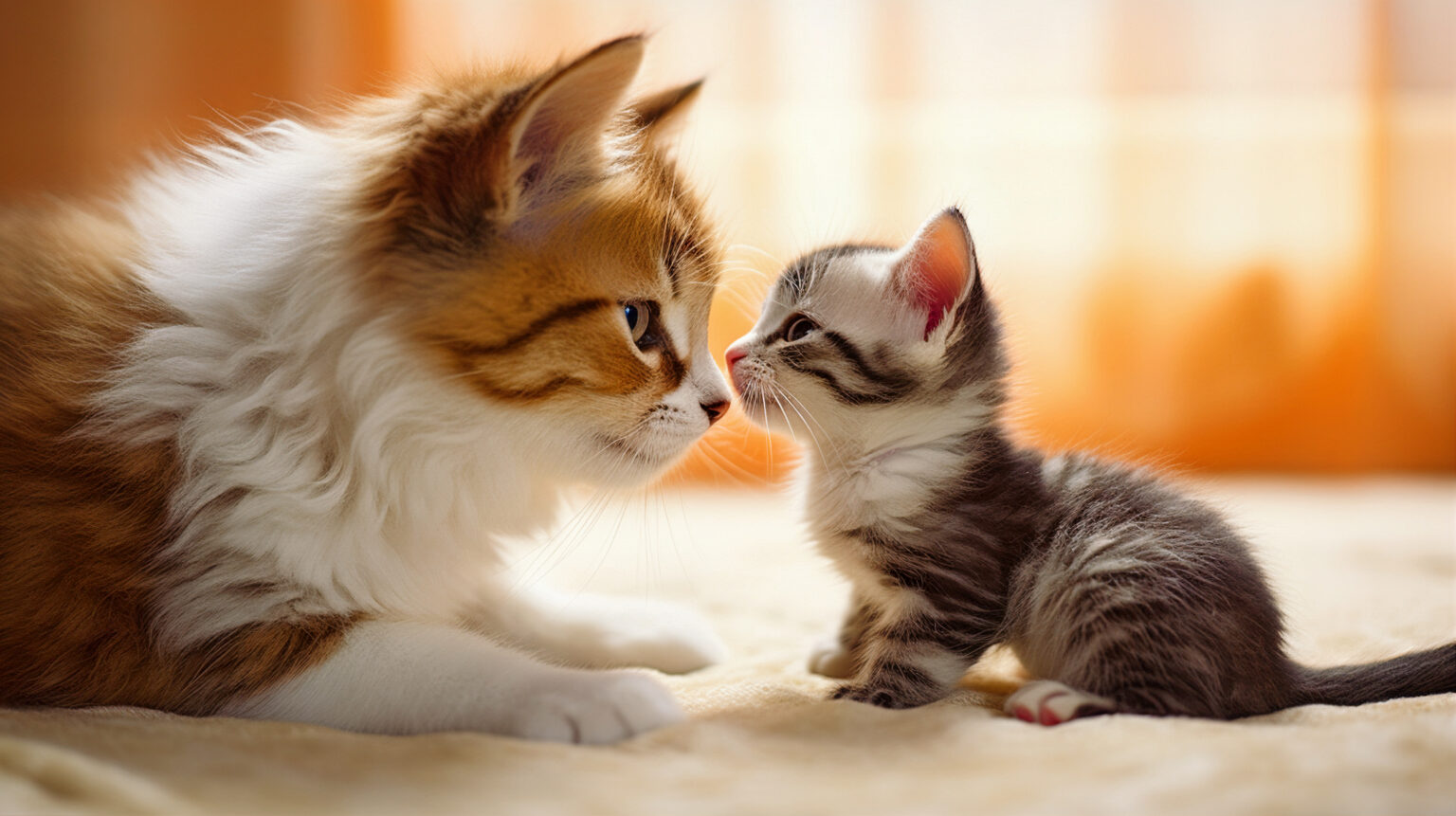
If your cat is expecting kittens, it’s an exciting time but it can also bring questions about what to expect and how to help.
The good news is that most cats handle pregnancy and birth naturally, especially when they have a quiet, safe place to nest.
Signs a Cat May Be Pregnant
Some early signs include:
- Increased appetite
- Weight gain
- Enlarged or pinker nipples
- Sleeping more
- Becoming more affectionate (or sometimes more withdrawn)
A vet can confirm pregnancy and check mum and kittens are healthy.
Feeding a Pregnant Cat
Pregnant cats need extra energy.
Helpful tips:
- Feed high-quality food
- Many vets recommend kitten food in later pregnancy
- Offer small, frequent meals
- Ensure fresh water is always available
Nesting Behaviour
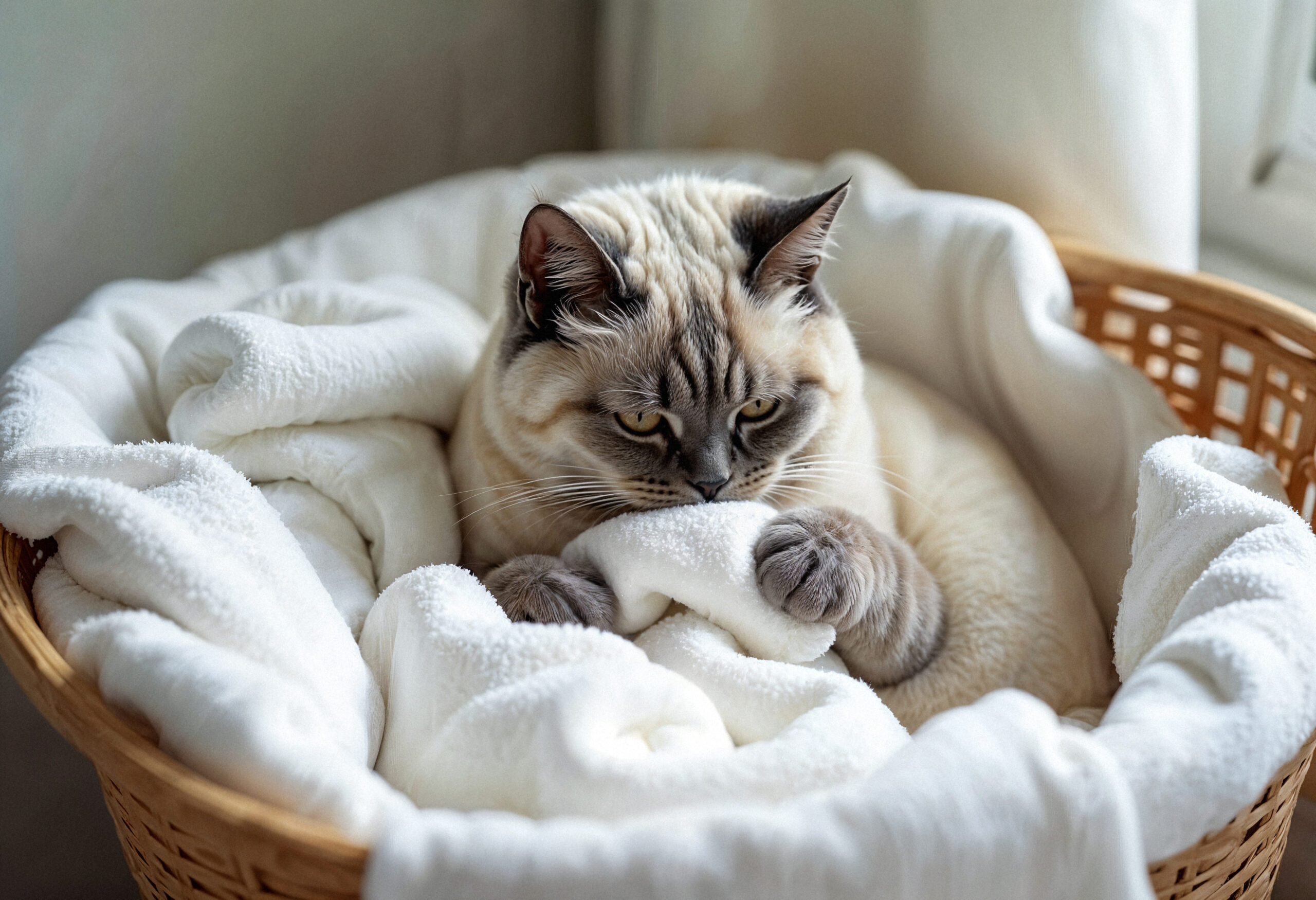
As birth approaches, many cats start looking for a quiet, hidden place.
You can help by preparing:
- A cardboard box or enclosed bed
- Soft, clean blankets
- A warm, quiet location away from noise
Most cats prefer privacy, so keep disturbance minimal.
Signs Labour May Be Near
In the final day or two you may notice:
- Restlessness
- Nesting
- Loss of appetite
- Seeking a quiet place
Cats usually give birth quietly and instinctively.
After the Kittens Are Born
Once kittens arrive:
- Keep the area warm and quiet
- Ensure kittens are feeding
- Give mum space and calm surroundings
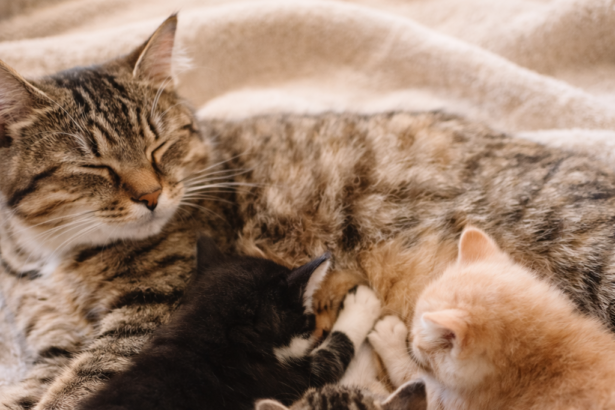
Most mother cats are very attentive and protective.
Final Thoughts
Cats are naturally very capable mothers. A calm environment, good nutrition, and minimal stress help everything go smoothly.
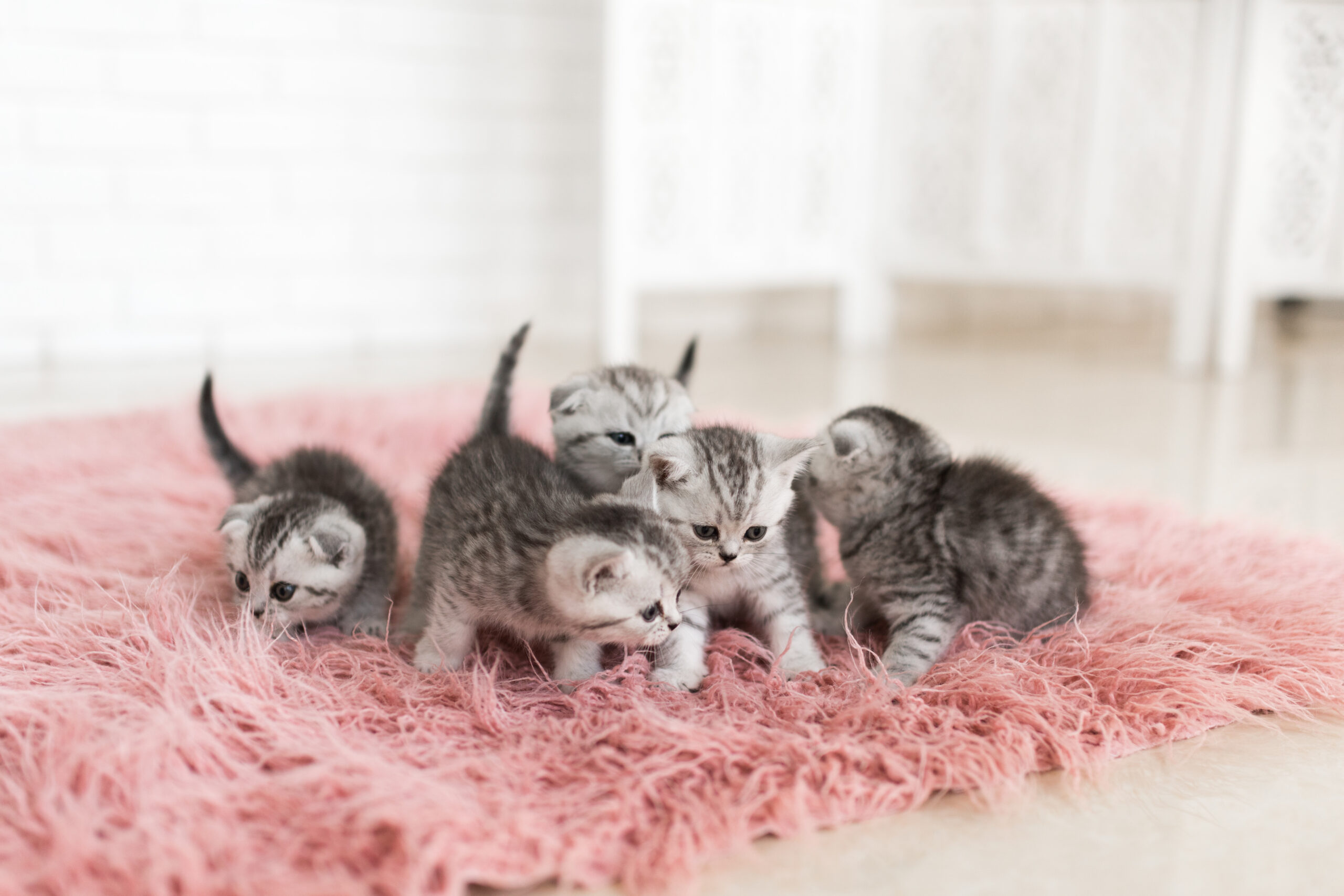
With preparation, most births are peaceful and kittens thrive from the very beginning.