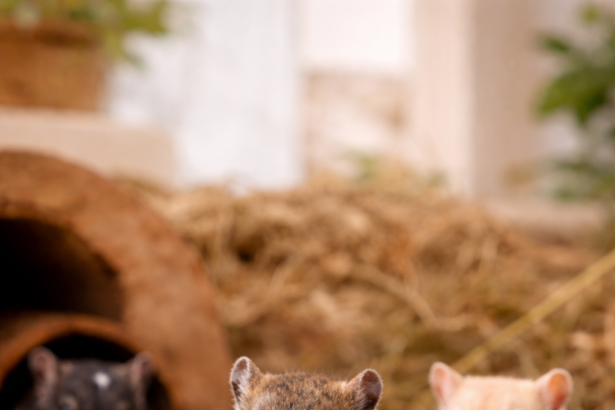

Hamsters are one of the most popular small pets, but they’re also one of the most commonly underestimated when it comes to their care needs. Despite their tiny size, hamsters have complex needs, strong instincts, and very specific care requirements.
This guide explains what hamsters are really like, how to care for them properly, and how to choose the right type for your home.
Types of Pet Hamsters
Understanding species matters different hamsters have different needs.
Syrian Hamsters
The largest and most common pet hamster.
Key traits:
Solitary (must live alone)
Usually calmer and easier to handle
Active in the evening and at night
Best for: First-time owners, older children (with supervision).
Dwarf Hamsters (Russian, Campbell’s, Winter White)
Smaller and faster than Syrians.
Key traits:
Very active
Can live in same-sex pairs or groups
More timid with handling
Best for: Experienced owners or those who enjoy observation.
Roborovski Hamsters
The smallest and fastest hamster species.
Key traits:
Extremely fast
Not keen on handling
Fascinating to watch
Best for: Observation-based homes.
Housing Bigger Is Always Better
Small cages are one of the biggest welfare issues for hamsters.
A good hamster enclosure should include:
Large floor space (not height)
Deep bedding for burrowing
A large solid wheel
Multiple hides and tunnels
Glass tanks with mesh lids are often ideal.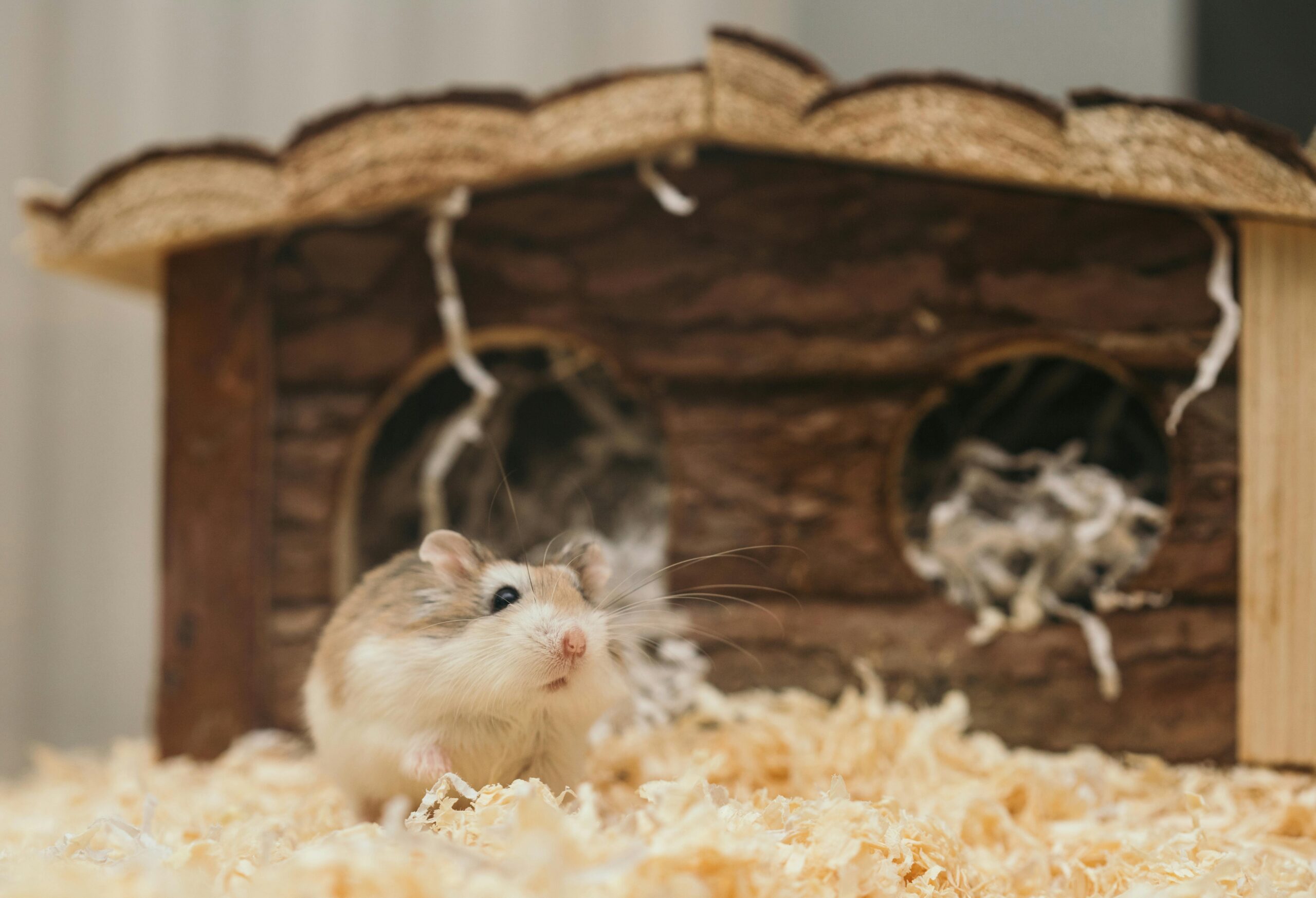
Temperature & Environment
Hamsters are sensitive to cold.
Ideal temperature:
18–24°C
Cold environments can cause torpor, which is often mistaken for hibernation.
What Do Hamsters Eat?
Hamsters are omnivores.
A healthy diet includes:
Quality hamster food or nuggets
Small amounts of fresh vegetables
Occasional protein (mealworms, egg)
Avoid sugary treats and shop mixes heavy in seeds.
Cleaning & Care
Hamsters are clean animals but sensitive to strong smells.
Routine care:
Spot clean daily
Partial bedding changes weekly
Full clean every few weeks
Always keep some old bedding to maintain familiar scent.
Lifespan & Health
Average lifespan:
2–3 years
Common issues:
Dental problems
Respiratory infections
Wet tail (especially in young hamsters)
Prompt veterinary care is essential.
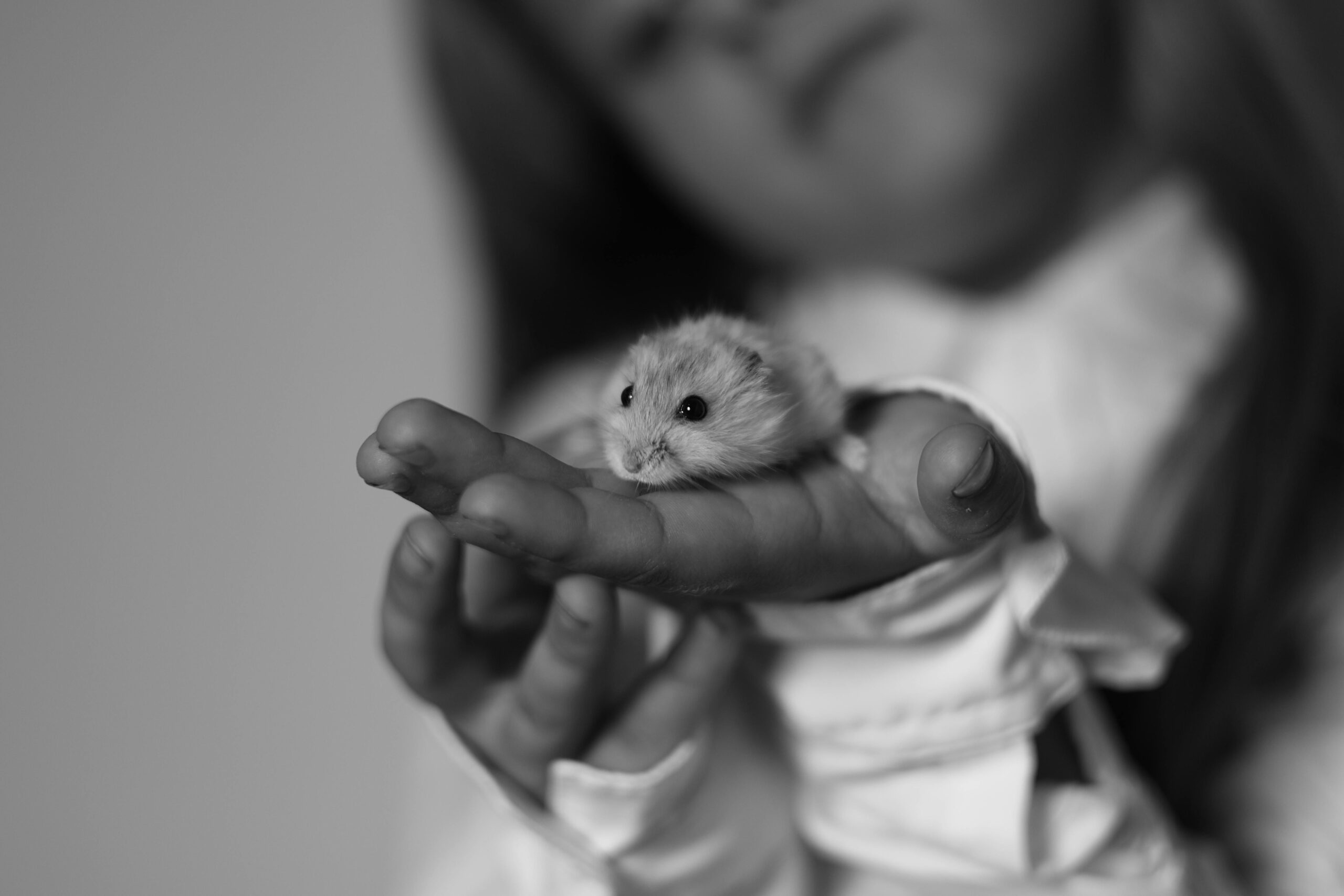
Are Hamsters Good Pets for Children?
Hamsters can be suitable for families, but they are not toys.
Considerations:
Nocturnal habits
Fragile bodies
Need for gentle handling
They are often better suited to older children.
Final Thoughts
Hamsters are fascinating little animals who thrive when given space, enrichment, and understanding. When cared for properly, they are busy, entertaining companions with lots of personality