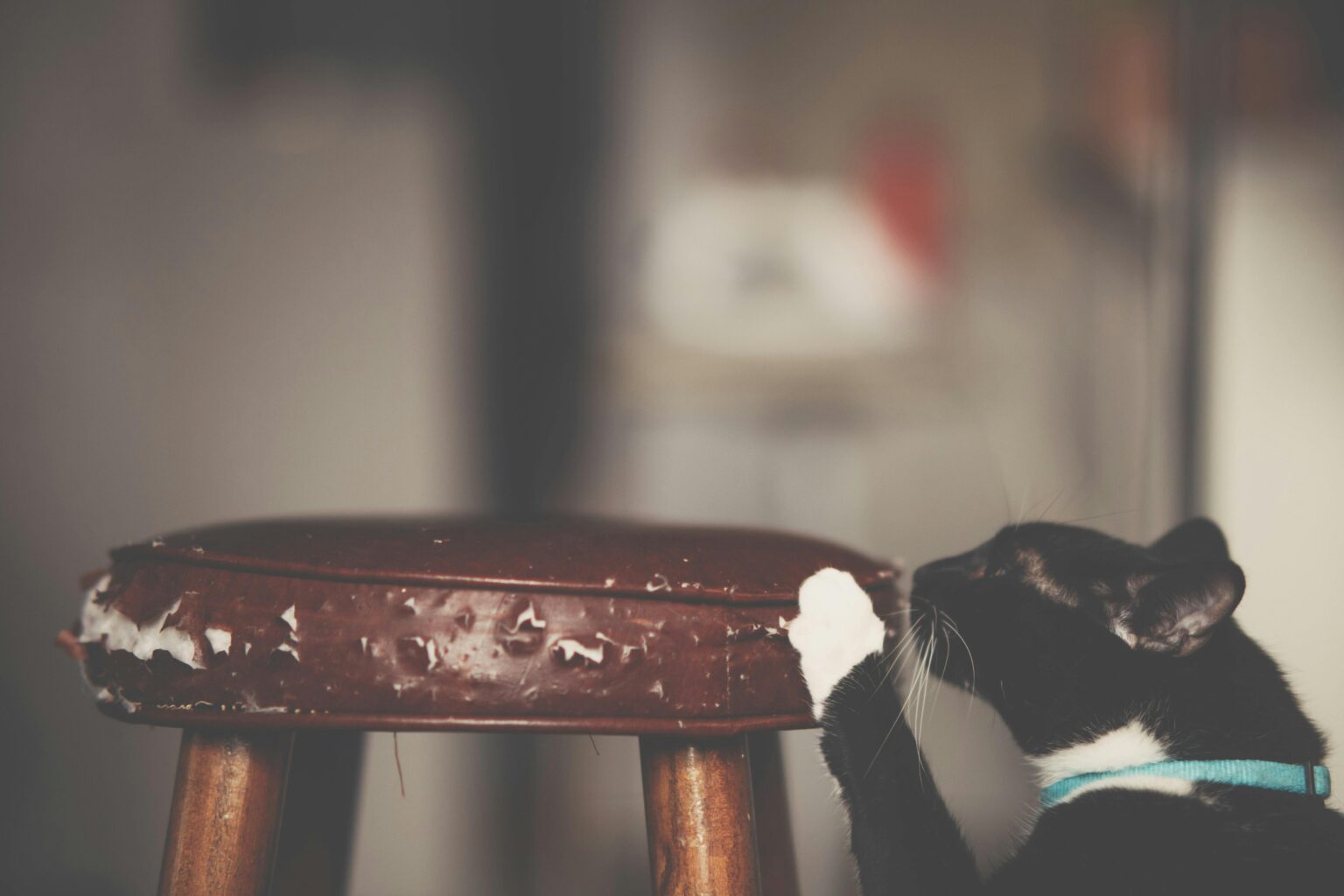
Few things frustrate cat owners more than scratched sofas, carpets, and door frames. It can feel deliberate even spiteful especially when your cat looks straight at you while doing it. But scratching isn’t bad behaviour, and it’s certainly not your cat being naughty.
Scratching is instinctive, necessary, and healthy for cats. Understanding why they do it is the key to stopping damage without punishment.
Why Cats Scratch
Scratching serves several important purposes:
Claw maintenance – removes old claw sheaths
Stretching muscles – shoulders, back, and paws
Stress relief – scratching releases tension
Communication – scent glands in paws leave messages
To a cat, scratching isn’t optional it’s a daily need.
Why Punishing Your Cat Doesn’t Work
Cats don’t connect punishment with past behaviour.
If you shout, spray water, or physically move them away, your cat doesn’t think:
“I shouldn’t scratch the sofa.”
They think:
“My human is unpredictable right now.”
This often leads to:
Increased anxiety
More scratching (in hidden places)
Reduced trust
Punishment suppresses behaviour temporarily it doesn’t solve the cause.
Why Cats Target Furniture
Cats usually scratch furniture because:
It’s sturdy and doesn’t wobble
It’s in a social area
It already smells familiar
It’s near sleeping spots
Your sofa isn’t chosen out of spite it’s chosen because it’s perfectly placed.
1. Give Better Scratching Options
The solution isn’t stopping scratching it’s redirecting it.
Provide:
Tall vertical scratching posts
Horizontal scratch pads
Different textures (sisal, cardboard, carpet)
Reliable choice:
Cat Scratching Post – Check on Amazon UK
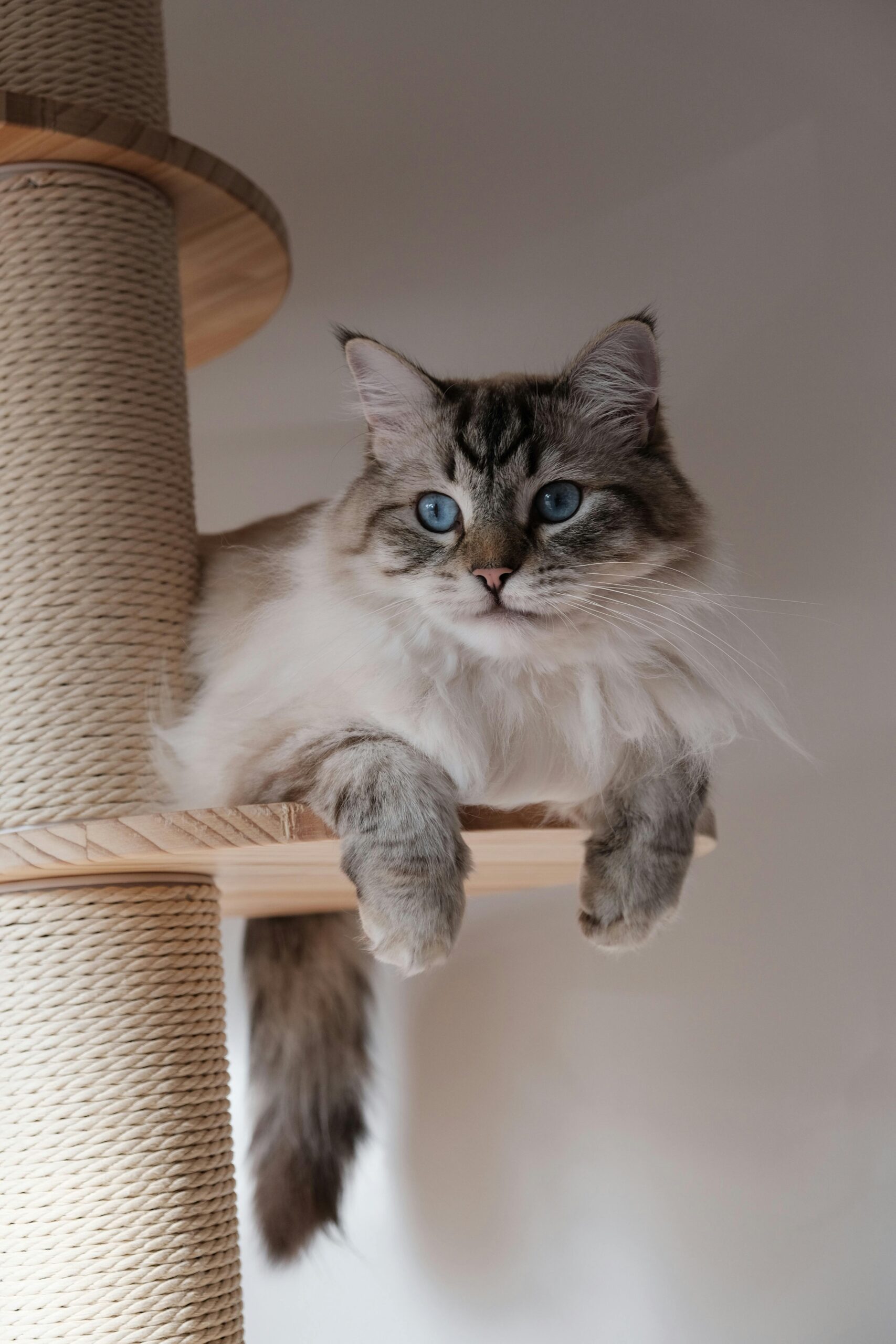
Place scratchers:
Near furniture your cat already scratches
Close to sleeping areas
2. Make the Right Spot More Appealing
Encourage your cat to use scratchers by:
Rubbing catnip on them
Playing nearby
Praising calmly when they use them
Helpful option:
Catnip Enrichment Toys – Check on Amazon UK
Never drag your cat to a post let them choose.
3. Reduce Stress & Boredom
Scratching often increases when cats are bored or anxious.
Support calm behaviour with:
Regular play sessions
Predictable routines
Safe hiding spots
Vertical spaces
If scratching has suddenly increased, look for changes in the home.

4. Protect Furniture Without Conflict
Short-term solutions can help while habits change:
Furniture covers
Double-sided tape (temporary)
Moving scratchers closer to problem areas
Avoid deterrent sprays many increase stress.
A Gentle Reminder
Your cat isn’t trying to annoy you or damage your home. They’re meeting a physical and emotional need in the only way they know how.
When scratching is redirected not punished behaviour improves naturally.
🐾 Final Thoughts
Scratching is a healthy, normal part of being a cat. The goal isn’t to stop it it’s to give your cat better options.
💡 Remember: the right setup prevents damage better than discipline ever will.